


How to Choose Your First Retreat: A No-Nonsense Guide
Why choosing matters more than you think
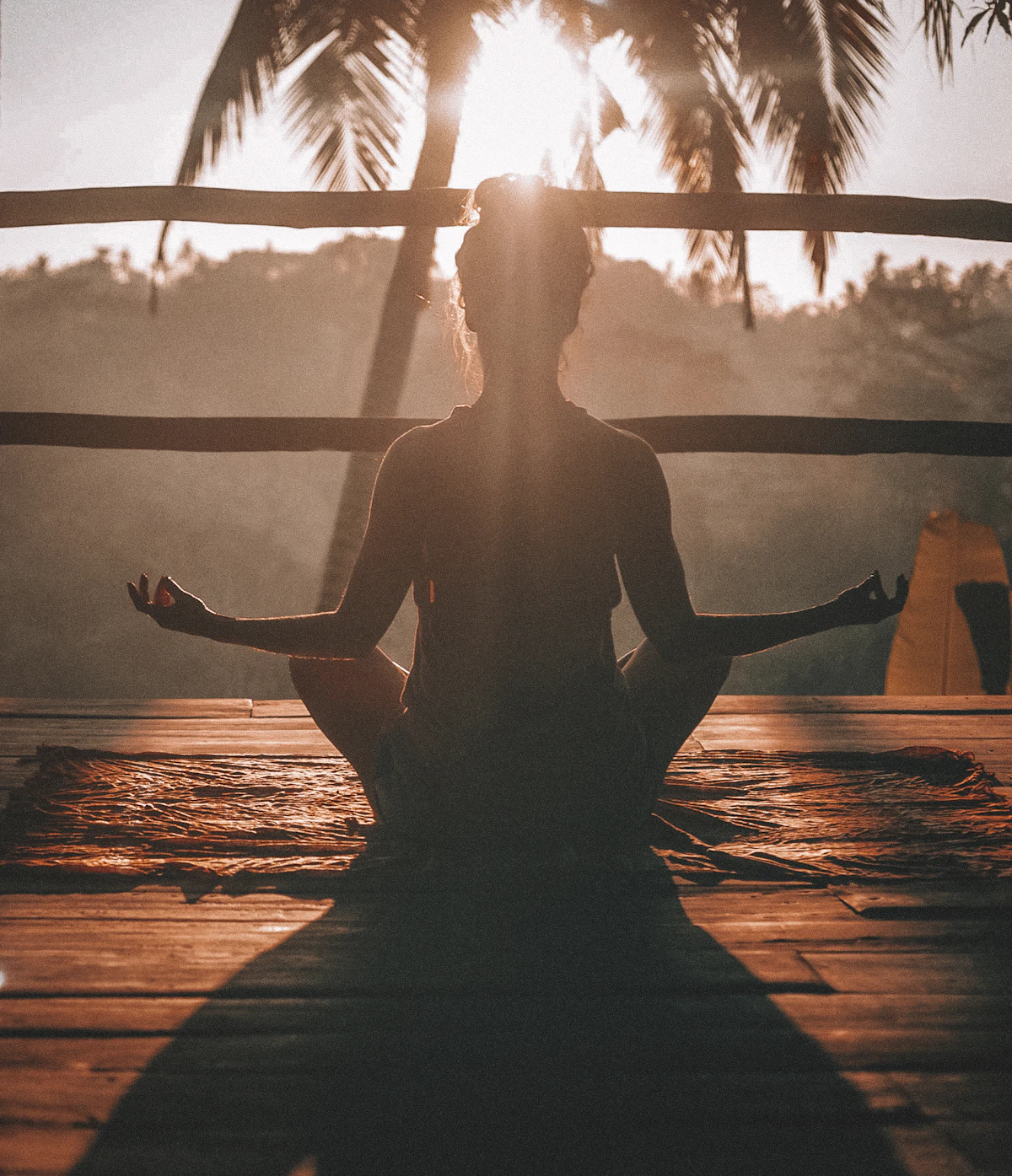
The retreat industry is booming — and that's mostly a good thing. More options means more chances to find something that genuinely fits you. But it also means more noise, more marketing, and more glossy photography that tells you very little about what you'll actually experience.
This guide cuts through that.
Start with the question behind the question
Most people begin by searching for a location or a price point. That's understandable, but it's the wrong starting point. Begin instead with this: what do I actually need from this experience?
Are you burnt out and need genuine rest? Do you want to learn a new skill — yoga, meditation, breathwork? Are you going through a transition and need space to think? Or do you simply want to spend a week doing something good for your body?
Your honest answer to that question should drive every other decision.
The three things that actually matter

The facilitator. More than the location, more than the programme, the person leading your retreat determines the quality of your experience. Look for real credentials, genuine reviews (not just testimonials on their own website), and a clear sense of their teaching philosophy.
The group size. Larger retreats (20+ people) offer anonymity and diversity. Smaller ones (6–12) offer depth and more personalised attention. Neither is better — they suit different needs.
The structure. A retreat that fills every hour leaves no room for integration. The best programmes build in unstructured time, so you can process what's coming up for you. If the schedule looks like a packed holiday itinerary, be cautious.
Red flags to watch for

- Vague or evasive answers to direct questions about the facilitator's qualifications
- Pressure to book quickly or claims of "only 2 spots left" that persist for weeks
- No refund or transfer policy
- Testimonials that read as marketing copy
One practical tip before you book
Email the host with a genuine question — something specific to your situation. How they respond tells you a great deal about how you'll be treated once you're there.
Ready to find your own retreats?
Explore retreats on Finding Retreats →