


Forest Bathing: What It Is, What It Isn't, and Why It Works
It's not hiking
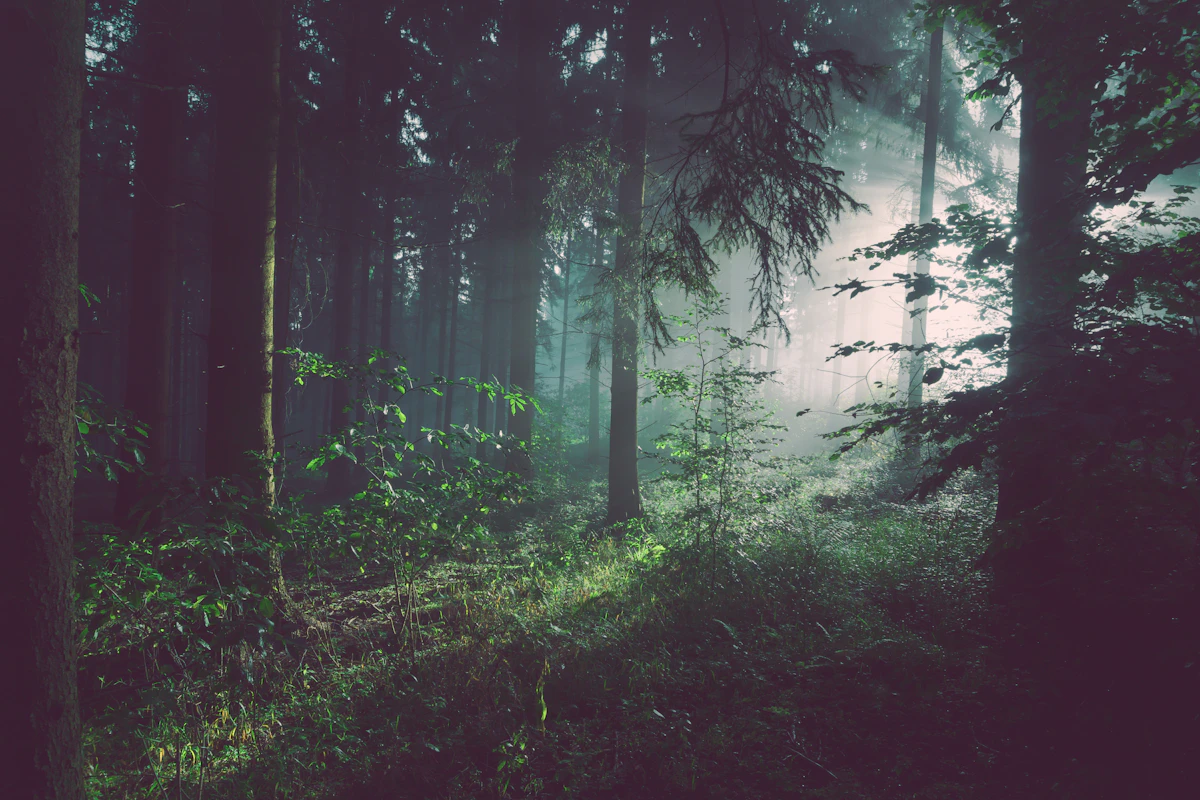
Forest bathing — the translation of the Japanese shinrin-yoku — is frequently confused with nature walks or hiking. The distinction matters. Hiking involves covering distance, often at pace. Forest bathing involves immersing yourself slowly in a forest environment, with no destination and no goal other than presence.
You typically move very slowly, pause often, and engage all the senses deliberately — the texture of bark, the smell of damp earth, the sound of leaves. Sessions are usually guided and run two to four hours.
The science is solid
This isn't wellness speculation. A substantial body of Japanese research — and increasingly, Western replication — has documented measurable effects of forest immersion: reduced cortisol levels, lower blood pressure and heart rate, increased natural killer cell activity (relevant to immune function), and improved mood.
The mechanisms being studied include phytoncides (airborne compounds released by trees), the restorative effect of soft, involuntary attention (as opposed to the directed attention demanded by screens and tasks), and the basic regulation that comes from slowing down.
What to expect in a guided session

A good guide will set a slow pace immediately — almost uncomfortably slow if you're used to purposeful walking. There are often invitations: to close your eyes and listen; to find a spot that draws you and sit with it for 10 minutes; to move in a way the forest seems to ask for.
Many people find the first 20 minutes resistant — the "I should be doing something productive" feeling. After that, something usually shifts.
Solo forest bathing

You don't need a guide. The principles are simple: slow down, put the phone away (or in your pocket, not your hand), and engage the senses one at a time. Two hours is better than 30 minutes. Morning is often better than afternoon — quieter, the light is different, the forest smells different.
Where it fits in a wellness programme
Forest bathing pairs well with meditation retreats and yoga retreats, particularly as a mid-retreat activity when the programme needs to breathe. Many retreat venues in forested settings now offer it as an optional session.
Ready to find your own experiences?
Explore experiences on Finding Retreats →